


We design our recycling processes & compounding services to support material recovery.
A material’s next use depends on its makeup and condition. However, knowing what that is often takes a keen eye and an understanding that only comes with years of experience. At Reuse Polymers, we help businesses evaluate practical recycling routes for post-industrial plastics and textile materials. We design our recycling processes & compounding services to support material recovery and create useful feedstocks for manufacturers and compounders.
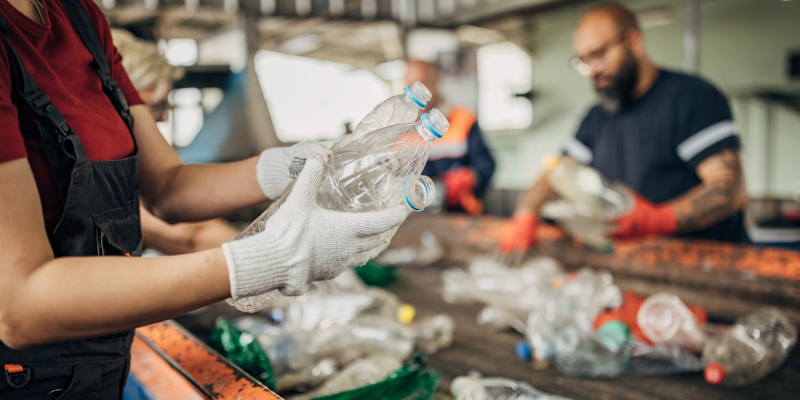
Grinding reduces larger plastic parts or scrap into smaller pieces known as regrind. Pelletization can turn suitable processed material into pellets for subsequent manufacturing. Compounding involves mixing polymers with selected ingredients to meet particular processing or performance goals. Each step serves a different purpose, and not every material needs every step.
Nylon compounding deserves particular attention because nylon grades and applications vary. Glass fiber, for example, can be used as reinforcement in nylon compounds. Factors such as moisture, existing fillers, and material history can influence how nylon behaves during reprocessing. That’s why we encourage a conversation about specifications and may also request samples or available test data before providing you with a quote.
Along with recycling processes & compounding, we also purchase qualifying plastic scrap, fibers, parts, and obsolete raw material lots.
Our owners spent more than two decades working together in the textile and plastics industry before starting this business. We bring that experience to every conversation, with a personal approach that larger operations might not be able to provide. Additionally, when you reach out to us, you will speak with a team member who truly wants to get to know you and your business needs.
Interested in recycling processes & compounding or nylon recycling opportunities in South Carolina? Give us a call today to see how we can help.